On January 8, 2018, the Department of Homeland Security (DHS) announced that it terminated the Temporary Protected Status (TPS) designation for El Salvador. This TPS designation was supposed to expire on March 9, 2018. DHS has extended TPS for El Salvador for a final 18-month period (until September 9, 2019) and has not indicated that they plan to extend or renew TPS for El Salvador past that date. On January 18, 2018, DHS published a notice in the Federal Register explaining how TPS holders from El Salvador can re-register and re-apply for work permits, or Employment Authorization Documents (EAD). This is a summary of what you can do now.
This infographic outlines who is eligible to renew DACA, documents needed, and resources available. Please check back for translated versions.
On January 9, 2018, a federal court ruled that while a lawsuit decides whether the termination of DACA was unlawful, U.S. Citizenship and Immigration Services (USCIS) must continue to accept renewal applications. This is guidance on who is eligible to apply at this time. Please note, as the lawsuit moves forward, this advice may change.
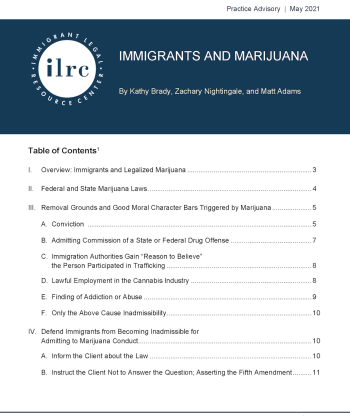
This page provides several tools: an updated and a comprehensive Practice Advisory on the legal issues; a Practice Alert on the Policy Manualamendment; community flyers that you can download and use to help warn clients and community; and a sample written warning about working in the industry from the California Employment Development Department.
It is important to maintain valid immigration documents. Unfortunately, when unexpected natural disasters such as fires, floods, or earthquakes occur, documents may be destroyed or lost. This can leave you unprotected and vulnerable without a way to travel, verify authorization to work, prove U.S. citizenship, identify yourself, or check on pending applications. Below is information on the process to request replacement documents, what evidence you will need to file, and the associated filing fees.
Recent California legislation, SB 29 and AB 103, places a check on the expansion of immigration jail in our state. This infographic provides an overview of these two new bills and explains how they work together to limit the growth of the immigration detention system.
As teachers are the individuals interacting with students and their families on a daily basis, the following resources may be useful to educators as they work with students, parents, and community members. This packet can help disseminate material learned in trainings to make sure useful resources are in the hands of those who are best able to share this information.
The attached document is a compilation of resources to help organizations and service providers prepare for immigration enforcement actions.
This guide provides fundamental Know Your Rights information to immigrants in California’s criminal justice system. It provides a review of what immigrants should know once in criminal custody, as well as what to expect if they are transferred to immigration custody.
This introductory guide to representing clients in bond hearings is divided into two sections. The first covers basic bond topics that advocates are likely to encounter when representing any client in a bond hearing. Section two includes a review of more advanced bond topics, including how to challenge mandatory and prolonged detention.